
Experience
Over 10 years, over 100 projects
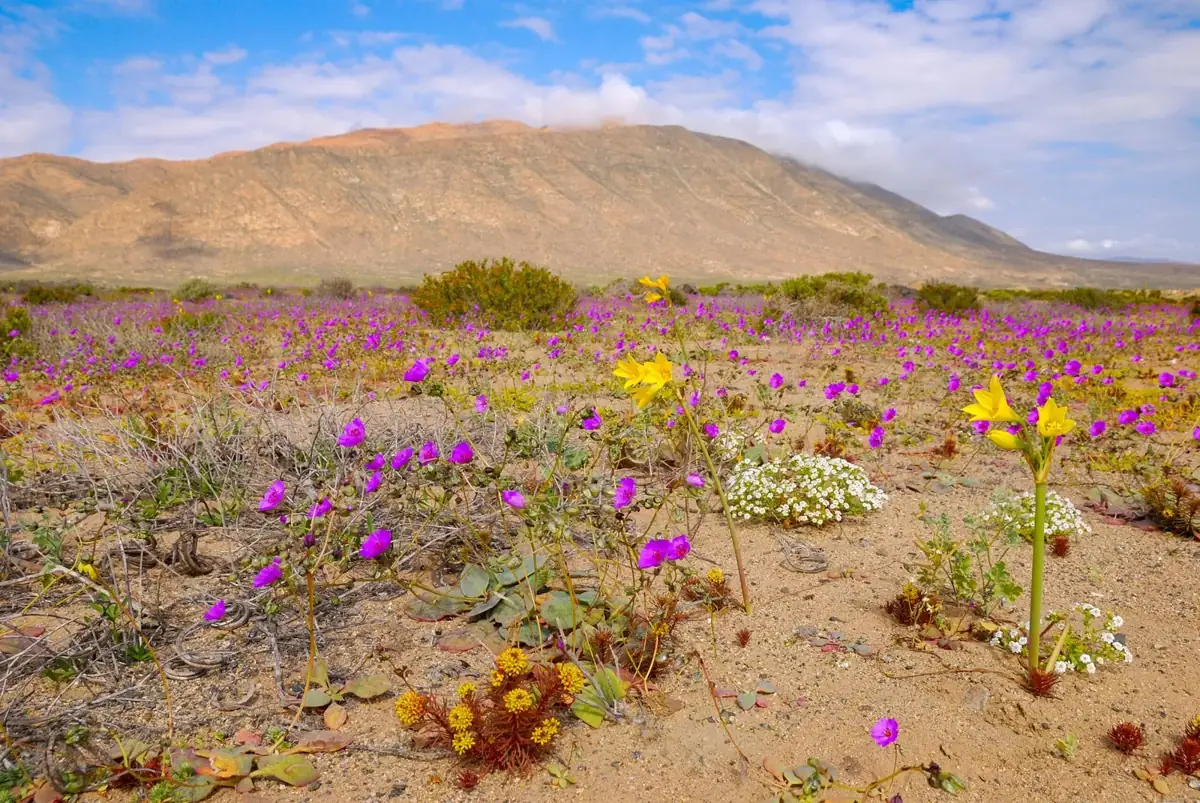
Studies, monitoring, baselines, compensation measures and voluntary commitments in marine, terrestrial and continental aquatic environments, within the framework of the Environmental Assessment Service (SEA). These are some of our most emblematic projects.
Ocoa, Hijuelas · Valparaíso Region
2021 — 2022
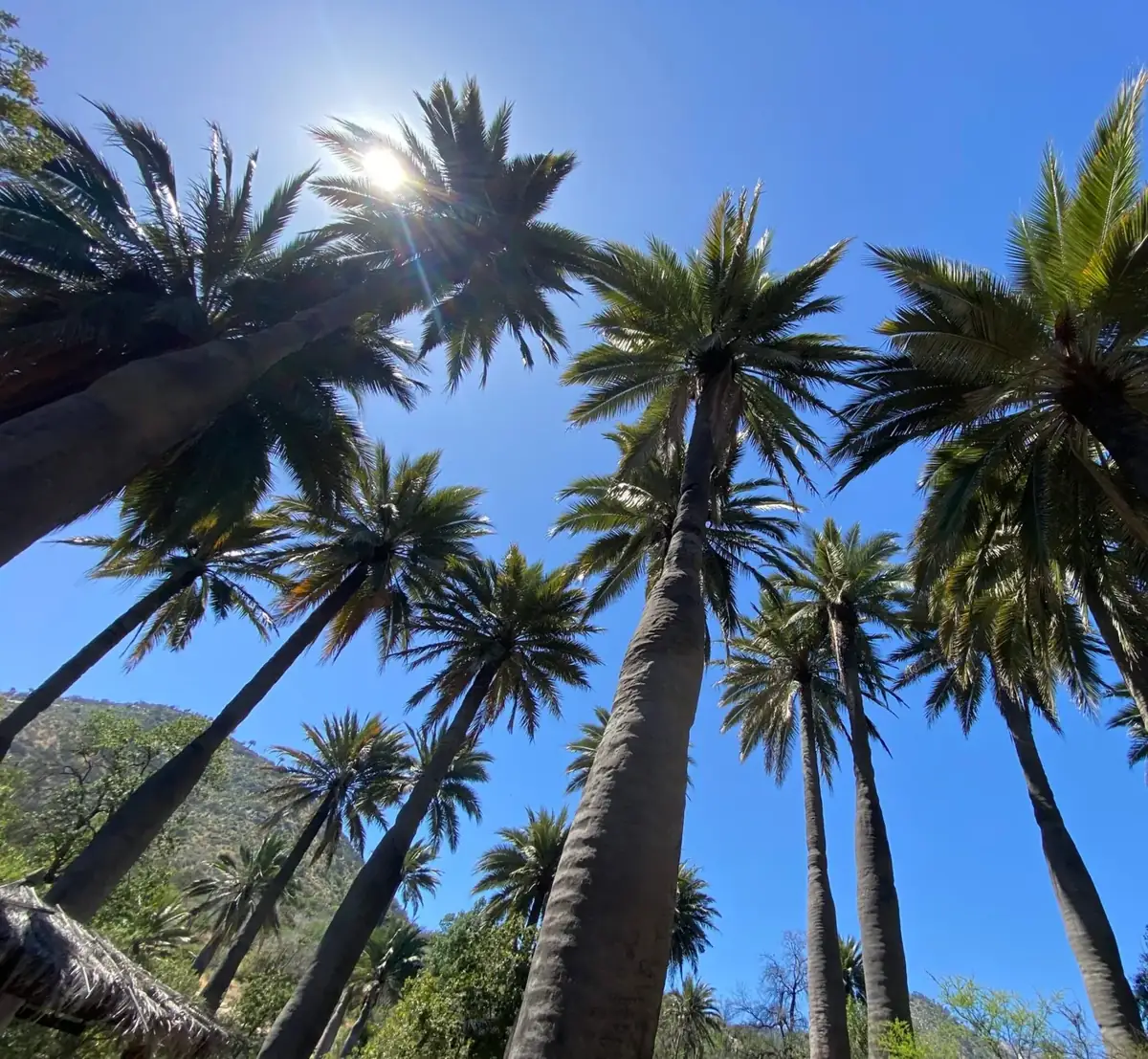
Agrícola Ocoa: productive biodiversity
The Ocoa Valley, in the rural area of Hijuelas, Valparaíso region, lies between the Aconcagua River and the Coastal Range. Between 2021 and 2022, Agrícola Ocoa embarked on an ambitious project that would mark its trajectory and commitment to sustainable production management, promoting the sustainability of its farming through nature-based solutions.
The baselines project was structured into three key components:
Biodiversity management
A comprehensive nest box installation program was implemented. Besides sheltering birds and bats, these structures contribute to biodiversity conservation and the ecological balance of the area.
Organic waste management
A mobile composter with recycling bins was developed, turning waste into high-quality compost to enrich the soil and promote sustainable crops.
Monitoring
A monitoring system collected detailed data on nest box occupancy by local wildlife, allowing conservation strategies to be adjusted and the success of rodent control initiatives to be maximized.
Pinto, Ñuble · Ñuble Region
2023 · with FAO and CONAF
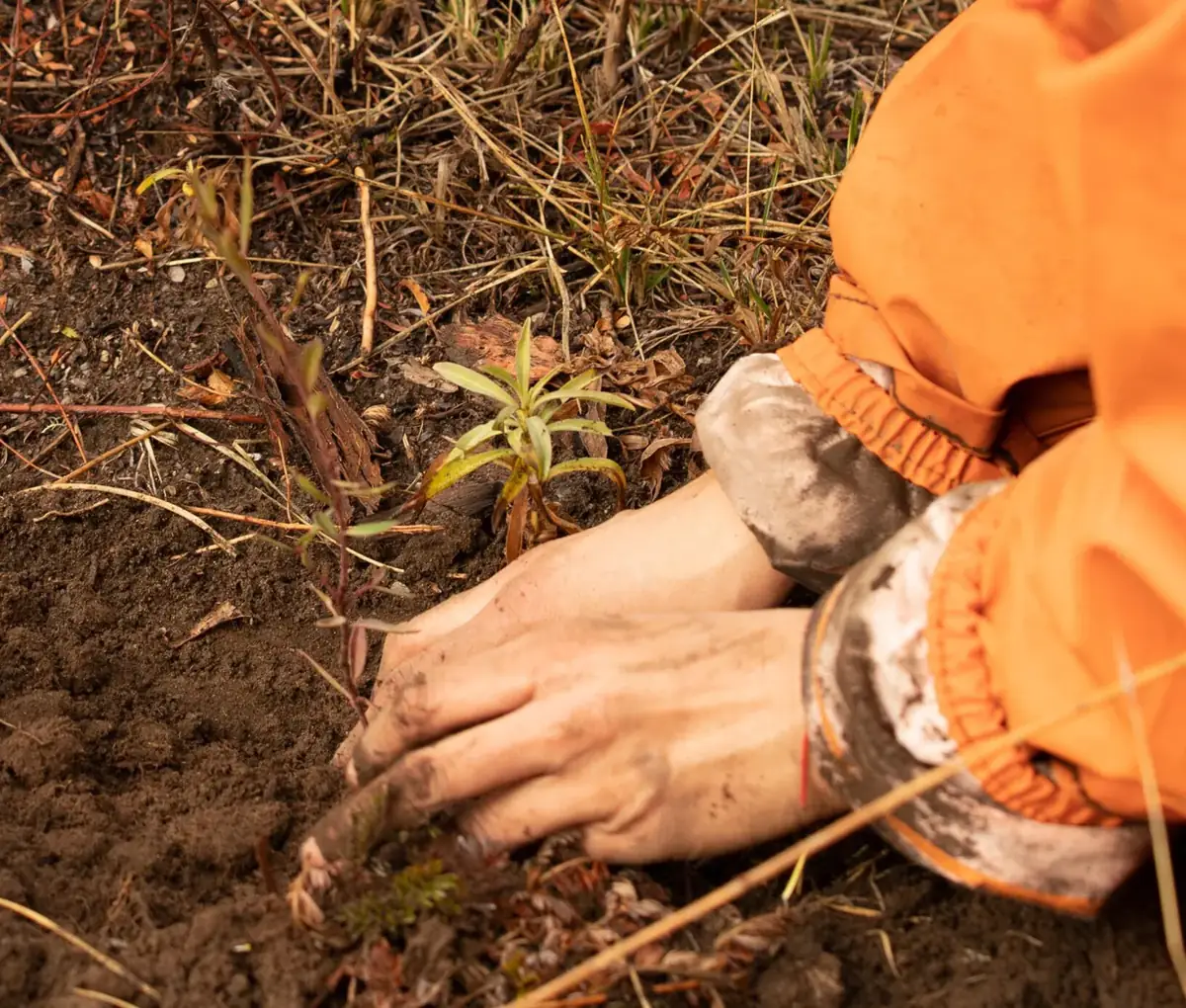
Ñuble National Reserve: restoring after fire
The Ñuble National Reserve is located in the Los Peucos sector, Pinto, Diguillín province. In 2023, together with the Food and Agriculture Organization of the United Nations (FAO) and CONAF’s +Bosques program, Ecorestaura carried out the ecological restoration of the forest burned in the 2020 wildfire, promoting the recovery of the biological corridors used by the northernmost populations of huemul deer (Hippocamelus bisulcus).
The first stage involved soil preparation —essential for restoration and erosion control— by clearing sites and placing organic matter and fire debris as an ecological barrier. Revegetation then followed through nucleation planting, recreating near-natural conditions: nuclei ease seed dispersal and the build-up of soil, water and nutrients.
- 21 ha
- restored
- 4.725
- native trees planted
Coihue (Nothofagus dombeyi) · Roble (Nothofagus obliqua) · Radal (Lomatia hirsuta) · Notro (Embothrium coccineum) · Chilean cedar (Austrocedrus chilensis)
Sierra Gorda, Antofagasta · Antofagasta Region
2018 — today
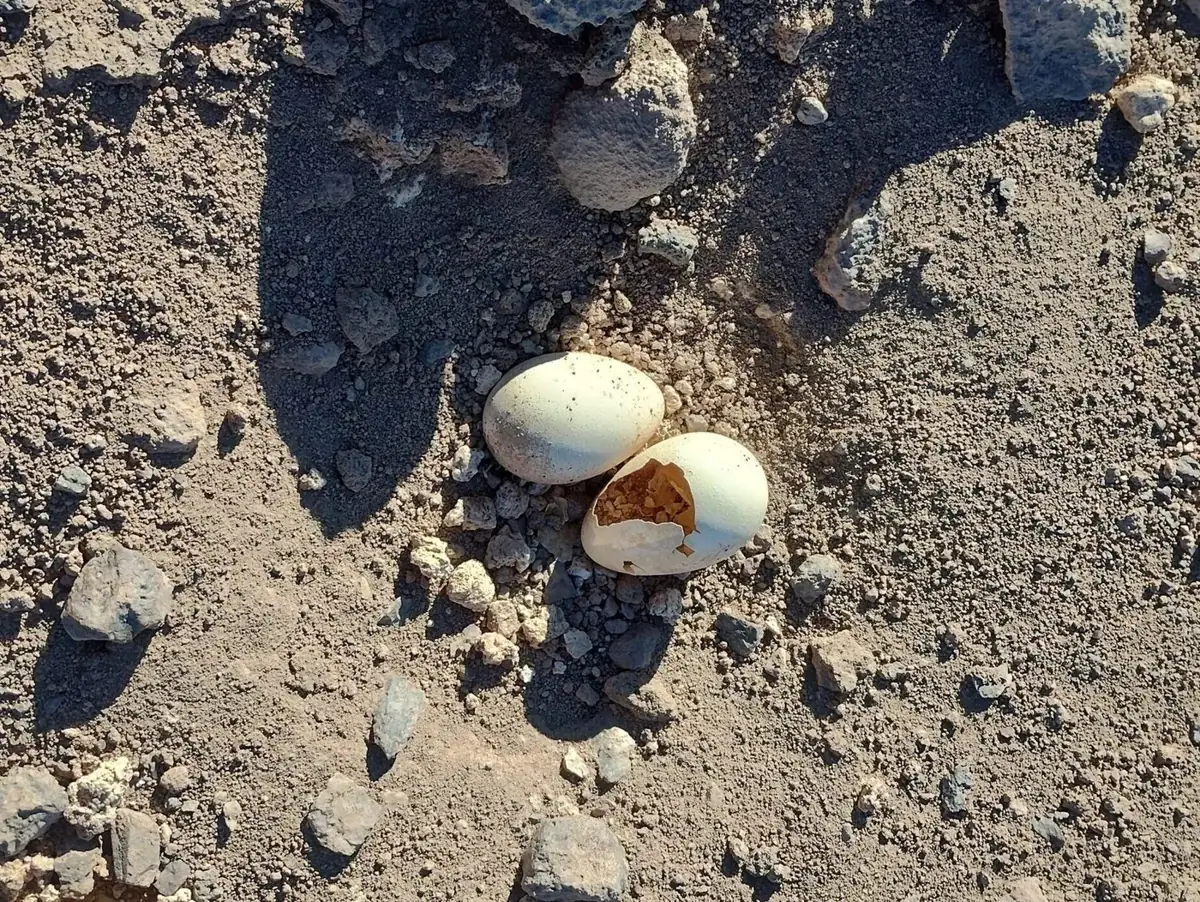
Seabirds in the heart of the desert
Since 2018 we have monitored and studied the grey gull (garuma), Markham’s storm petrel and the ringed storm petrel. The requirements of the Superintendence of the Environment and SAG demand high standards: each specialist may walk 6 to 12 km a day, and logistics, PPE and staff training are the keys to this long-term monitoring.
The grey gull (garuma) is endemic to the Humboldt Current ecosystem, between Ecuador and southern Chile, and nests inside the Atacama Desert, 15 to 115 km inland, commuting daily to the coast to feed. Due to habitat loss and pollution it has been classified as Vulnerable (RCE).
Markham’s storm petrel and the ringed storm petrel are among the least known seabirds in the world, with little information on their breeding sites. In 2018 Chile classified the former as Endangered and the latter as Data Deficient (RCE).
Network
Strategic partners

Let's talk
What actions will you take?
Tell us about your project and we will help you comply, mitigate and restore with nature-based solutions.